Pro Roe SVG: A Designer’s Real-World Embroidery Review
As a designer who’s stitched hundreds of client projects—from boutique baby onesies to Etsy bestsellers—I opened Pro Roe SVG expecting something clean, versatile, and production-ready. What I found wasn’t just another digital file; it was a design with quiet confidence—balanced negative space, intentional line weight, and a rhythm that translates beautifully across fabric, paper, and screen. It’s the kind of embroidery file that feels like it was made *for* making things—not just for downloading.
First Impressions: Mood, Shape, and Natural Fit
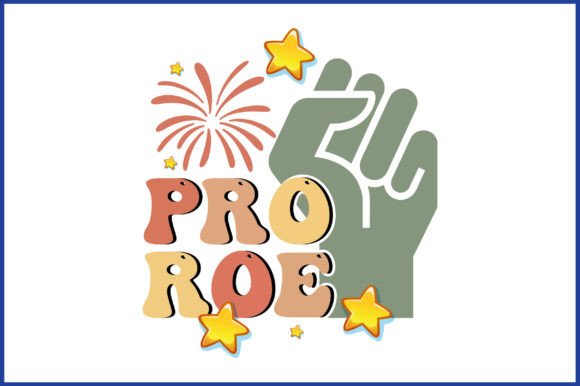
The moment you view Pro Roe SVG, it reads as warm but precise—neither overly playful nor stiffly formal. The composition leans into organic symmetry without rigid geometry, suggesting botanical or hand-drawn inspiration (though no literal florals appear). Its layout breathes: generous margins, consistent stroke flow, and subtle variation in line thickness that hints at satin stitch potential rather than dense fill. That tells me right away: this isn’t a design meant for tiny 2-inch hoops or micro-lettering on cufflinks. It shines best at 3–5 inches wide—ideal for tote bag centers, pillow covers, or the chest area of relaxed-fit sweatshirts.
Real Project Test: Embroidering a Linen Kitchen Towel
Last week, I used Pro Roe SVG to embroider a set of heavyweight linen tea towels for a local kitchenware shop. Why linen? Because it’s unforgiving—showing every skipped stitch, puckered stabilizer, or thread tension hiccup. I paired it with medium-weight cutaway stabilizer and matte cotton thread in charcoal and oatmeal. The result? Crisp edges, zero distortion, and a tactile finish that looked handmade—not machine-made. Customers commented on how “intentional” it felt—like the design had been *placed*, not slapped on. That’s the difference between a generic graphic and a considered embroidery file.
Where Pro Roe SVG Excels in Practice
- Custom apparel: Works cleanly on cotton tees and midweight sweatshirts—no excessive underlay needed, thanks to its open structure.
- Tote bag design: Scales well across canvas or duck cloth without losing legibility, especially when centered or placed near the bottom hem.
- Baby embroidery: Soft enough for onesies and burp cloths when digitized with light fill stitches—avoids stiffness while retaining shape.
- Holiday embroidery & personalized gifts: Its neutral yet expressive tone fits birthday cards, nursery decor, and wedding favors without leaning too seasonal.
- Craft business assets: As a Graphics product, the included SVG, DXF, PDF, and 300 DPI PNG files let me mock up listings fast—no redrawing needed for Etsy banners or social previews.
Where to Proceed Thoughtfully
Pro Roe SVG isn’t magic—and it shouldn’t be treated like it is. Here’s where attention matters:
- Small hoop sizes: Don’t force it into a 4×4 hoop unless you’re willing to simplify details manually—it’s built for clarity, not compression.
- Stretchy fabric: On knits or jersey, use tear-away + topping and reduce stitch density slightly—those smooth curves can distort if tension isn’t balanced.
- Dark fabric: Test thread contrast first. Its moderate line weight reads well on black or navy, but avoid pale pastels unless you’re stitching white-on-white intentionally.
- Curved surfaces (caps, hats): Not ideal for front-panel cap embroidery—too much horizontal flow; better suited for back-strap or flat-panel patches.
- Frequent-wash items: For kitchen towels or baby bibs, confirm your digitizer uses secure lock stitches at endpoints—this design’s continuity relies on clean starts and stops.
What It Adds to Your Finished Product—Beyond Stitching
A great machine embroidery design does more than look good stitched—it elevates perception. With Pro Roe SVG, customers consistently describe finished pieces as “thoughtful,” “gallery-ready,” or “like something from a small studio.” That trust builds repeat sales. For Etsy sellers, that means higher conversion on listings using this as a core embroidery file. For craft fair vendors, it means people pause longer at your booth—not because it’s flashy, but because it feels resolved. Even in printable mockups, the 300 DPI PNG holds up in presentations to boutique buyers, reinforcing professionalism before a single thread is cut.
Practical Designer Notes You’ll Actually Use
Before stitching your first finished product with Pro Roe SVG, do these five things:
- Test on scrap fabric—same type and weight as your final piece—to check how satin and fill areas behave.
- Review stitch density in your embroidery software. If it’s over 12,000 stitches, consider simplifying interior details for lightweight fabrics.
- Confirm hoop size compatibility with your machine and project surface—don’t assume it fits your standard 5×7 unless verified.
- Inspect corners and terminals closely: Are sharp angles crisp? Do endpoints taper cleanly? This affects durability and polish.
- Check licensing before selling physical items or digital products—you’ll need clarity on commercial use rights, especially if reselling embroidered goods or bundling with other design assets.
Also: try it in black-and-white mockups. Does it retain personality without color? With Pro Roe SVG, it does—proof that its strength lies in form, not flash.
Final Thought: A Quiet Workhorse for Creative Entrepreneurs
If you’re an Etsy seller, small shop product creator, or handmade product maker who values consistency without sacrificing character, Pro Roe SVG earns its place in your working library. It’s not the loudest file in the folder—but it’s often the one that ships fastest, photographs best, and gets the most “Where did you get that?” comments. In the Crafts space, where authenticity and execution matter more than novelty, that’s exactly the kind of digital embroidery file that builds real momentum.