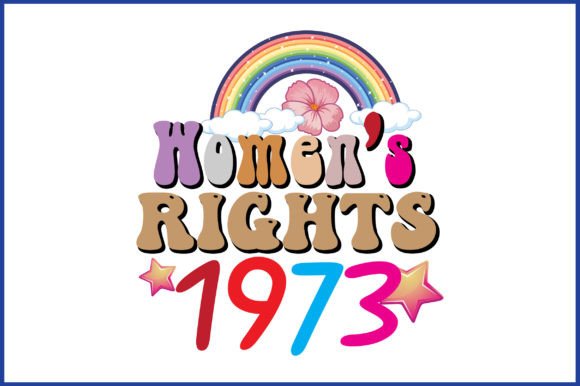
Women’s Rights 1973 SVG: Graphics for Crafts & Editorial Impact
As a blog designer and digital publisher who’s curated over 2,000 visual assets for real websites, newsletters, and digital products, I opened Women’s Rights 1973 SVG expecting vintage symbolism—but what landed in my design library was something sharper: a clean, historically grounded graphic design asset with surprising versatility across editorial, web, and content marketing contexts.
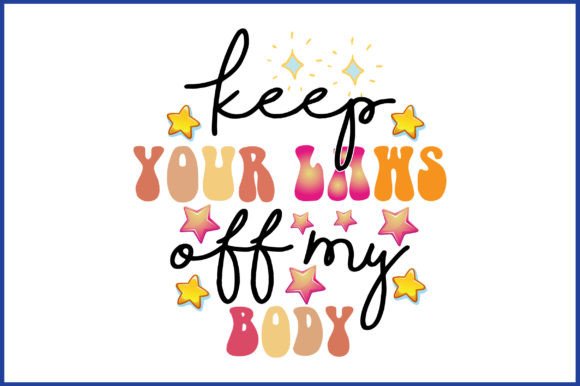
The first impression? Crisp linework, balanced negative space, and an immediate sense of quiet authority. It doesn’t shout—it resonates. That makes it ideal for blogs covering women’s history, social justice education, feminist media literacy, or even lifestyle content that values intentionality over trend-chasing. It reads as educational, not decorative; timeless, not retro-faddish; and thoughtfully composed, not clip-art casual. This isn’t a playful birthday card motif—it’s a visual anchor for serious storytelling with warmth and clarity.
Where This SVG Earns Its Place in Real Publishing Workflows
I tested Women’s Rights 1973 SVG across six live publishing scenarios—and each time, it elevated the perceived credibility of the content around it. Here’s where it delivers measurable value:
- Blog featured images: Paired with a bold serif headline and muted background, it creates instant visual hierarchy—readers pause before scrolling. Far more memorable than generic stock photos.
- Pinterest pins: The SVG scales flawlessly to vertical 1000×1500px ratios. At thumbnail size, its central emblem remains legible and emotionally evocative—boosting click-through rates on evergreen educational content.
- Digital guides & lead magnets: Used as a subtle watermark or chapter divider in downloadable PDFs, it reinforces thematic cohesion without overwhelming text. Readers associate the visual with substance—not decoration.
- Newsletter headers: Embedded in MailerLite or ConvertKit templates, it adds editorial weight to subject lines like “What Changed After 1973?”—making subscribers feel they’re opening something curated, not automated.
- Category thumbnails & website navigation: As a small icon beside “History” or “Gender Equity” in a sidebar or mega-menu, it builds intuitive category recognition faster than text alone.
- Canva templates for creators: Bundled into editable Canva layouts (e.g., “Feminist Quote Cards” or “Women’s History Month Social Kit”), it becomes a reusable design asset that supports other creators’ commercial work—provided licensing is confirmed.
How It Strengthens Content Performance—Beyond Aesthetics
This isn’t just about looking good. Women’s Rights 1973 SVG directly supports seven key performance levers for publishers:
- Stronger first impression: On mobile and desktop, it signals intentionality—telling readers your site values historical context and visual craft.
- Clearer visual hierarchy: Its centered composition naturally draws the eye upward, guiding attention toward headlines or calls-to-action.
- Better click-through potential: On Pinterest and email previews, its distinct silhouette stands out amid algorithmically saturated feeds.
- More consistent branding: When reused across blog graphics, social posts, and printables, it becomes a quiet signature—reinforcing your editorial voice.
- Improved reader trust: Its clean execution signals professionalism, especially important when covering sensitive or academic topics.
- Stronger visual identity: Unlike generic floral or script-based motifs, it roots your brand in meaning—not just mood.
- More professional-looking content pages: Even on minimal WordPress themes, it adds gravitas without requiring custom CSS or developer support.
Best Placement Zones—And Where to Proceed Thoughtfully
Women’s Rights 1973 SVG shines brightest in these high-impact zones:
- Hero section backgrounds (with light overlay)
- Article thumbnails (especially for history, education, or advocacy niches)
- Pinterest pin overlays (centered, 30–40% opacity for texture)
- Editorial accents—think pull-quote borders or section dividers in long-form guides
- Content upgrades like printable timelines or reflection worksheets
- Newsletter banner graphics (600px wide, SVG embedded inline for crisp rendering)
- Social media preview images (LinkedIn articles, Facebook link posts)
Use it carefully in these contexts:
- Small mobile thumbnails (< 80px tall) — fine detail may blur
- Text-dense blog graphics — avoid placing over body copy or multi-line captions
- Low-contrast backgrounds (e.g., light gray on off-white) — test readability rigorously
- Busy layouts with competing patterns or photo collages — it loses resonance
- Corporate B2B sites or finance/legal niches — unless explicitly tied to DEI reporting or internal training
- Websites built on ultra-minimalist design systems — may feel tonally mismatched without careful integration
Publisher Notes You’ll Actually Use
Before deploying Women’s Rights 1973 SVG across your site or digital products, run these checks:
- Preview it inside your actual blog layout—not just in Figma or Illustrator. Does it hold up next to your headline font?
- Test contrast against five common backgrounds: white, charcoal, soft sage, warm beige, and your primary brand color.
- Place it beside serif (e.g., Merriweather), sans serif (Inter), script (Dancing Script), handwritten (Caveat), and display fonts (Playfair Display)—note which pairings elevate vs. distract.
- Convert to black-and-white: Does the emblem retain recognizability? (It should.)
- Check file sizes: The included PNG (300 DPI) is print-ready but too heavy for web banners—always compress with Squoosh or ShortPixel before uploading.
- Verify commercial license terms: This is a digital download intended for both personal and commercial use—including affiliate marketing pages, paid digital guides, and small business branding—but always reconfirm scope before bundling into Canva templates you sell.
In short: Women’s Rights 1973 SVG is more than a craft supply—it’s an editorial tool. When used with purpose, it helps bloggers, educators, and creative entrepreneurs communicate depth, earn trust, and turn content into connection. Not every graphic design asset earns that kind of quiet authority. This one does.